
Kamikochi Day Trip and Hiking Guide: Access, Trails, Rainy-Day Planning and Sample Itineraries
Quick answer
- What it is: A high mountain valley in the Northern Japan Alps, inside Chubu Sangaku National Park in Nagano Prefecture.
- Season: Open from mid-April to mid-November. The access road closes in winter, and there are no buses or taxis during that time.
- Getting there: Private cars are not allowed. Visitors take a bus or taxi from Matsumoto (via Shin-Shimashima or Sawando) or from Takayama (via Hirayu Onsen).
- Day trip: Yes, a day trip is possible from Matsumoto or Takayama. Plan for 3 to 5 hours of walking on the valley floor.
- Weather: Heavy rain can close the access road and stop all traffic. Build a flexible itinerary with a backup plan.
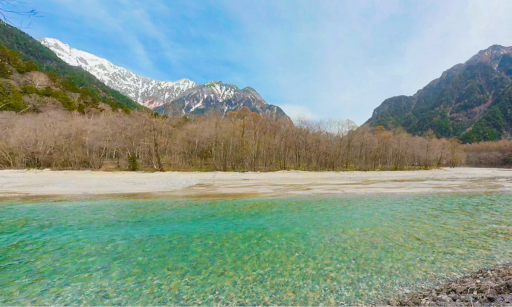
Kamikochi is one of the most beautiful places to walk in Japan. A flat riverside trail runs along the clear Azusa River, with the Hotaka mountains rising above the valley. Most of the main sights can be reached without hiking experience, which makes the valley popular with independent travelers, families, and tour groups.
The valley is also remote. There is only one road in, private cars are banned, and the weather in the mountains changes quickly. This guide covers access, the best trails, what we have learned from arranging trips here, and sample itineraries that hold up when the weather does not.
Why Kamikochi is different
Kamikochi sits at about 1,500 meters above sea level. In 1975, private cars were banned from the valley to protect the environment, so everyone arrives by bus or taxi. The road ends at the Kamikochi Bus Terminal, a short walk from Kappa Bridge, the symbol of the valley.
The final stretch of road into the valley passes through the Kama Tunnel. Because every vehicle must use this single route, any closure on the road stops access to Kamikochi completely.
How to get to Kamikochi
From Matsumoto (best from Tokyo or Nagoya)
- Take the Alpico Kotsu Kamikochi Line train from Matsumoto Station to Shin-Shimashima Station (about 30 minutes).
- Transfer to a bus bound for Kamikochi (about 60 to 65 minutes).
From Tokyo, the Azusa limited express from Shinjuku reaches Matsumoto in about 2.5 to 3 hours. From Nagoya, the Shinano limited express takes about 2 hours.
Some bus routes between Kamikochi and Matsumoto require advance reservations. Check the Alpico website before you travel, and book your return bus early on busy days.
From Takayama (best from Osaka, Kyoto or Kanazawa)
- Take a Nohi Bus from Takayama Bus Center to Hirayu Onsen (about 60 minutes).
- Transfer to a bus or taxi bound for Kamikochi (about 25 minutes).
The Takayama side is often quieter and pairs well with a night at a hot spring in the Okuhida area.
By car
Drive National Route 158 to Sawando Parking Area on the Matsumoto side, or to Hirayu Akandana Parking Area on the Takayama side. Park there, then continue by shuttle bus or taxi.
Direct buses from major cities
In summer, some direct buses run from Tokyo, Osaka, and Kyoto to Kamikochi on selected days. They save transfers but make for a long day.
What happens when it rains
This is the most important planning point for Kamikochi, and the one most guides leave out.
From our experience arranging Kamikochi trips
As a land operator, Shell System has arranged trips to Kamikochi for overseas guests. On one trip, heavy rain closed the access road at a tunnel on the way in. Traffic could not continue, and the group was unable to reach the valley that day.
We have learned three things from these trips:
- The access road can close without warning. Closures for heavy rain are made for safety and are hard to predict days in advance. Even if the forecast looks fine the night before, conditions on the road can change on the day.
- Reaching the valley is not the same as hiking it. Even if you get to Kamikochi, hiking may not be possible in bad weather. Longer trails toward Tokusawa or the mountain huts are not a safe choice in heavy rain or poor visibility.
- Light rain is not a reason to cancel. In light rain, the valley is still beautiful. Mist drifts across Taisho Pond, the forest turns a deep green, and the short walk between Taisho Pond and Kappa Bridge is still very enjoyable with rain gear.
How to plan for it
We recommend building a flexible itinerary that can change with the weather, and working with your land operator to adjust it.
- Do not schedule Kamikochi on a fixed, one-chance day. If possible, keep a second day open in Matsumoto or Takayama, so you can swap days when the forecast is poor.
- Prepare a Plan B. Good rainy-day options nearby include Matsumoto Castle, the old town of Takayama, the Daio Wasabi Farm in Azumino, and the Okuhida hot spring area.
- Decide on the morning, not the night before. Check road and bus updates early in the day on the official Kamikochi website and the bus operators’ sites. A land operator can monitor closures and change the plan before the group sets out.
- Pack rain gear for everyone, even on a sunny forecast.
- Agree on cancellation terms in advance for buses, guides, and lunch reservations, so a weather change does not create unexpected costs.
Best Kamikochi hiking trails
Kamikochi’s trails are well marked, with place names in English and distances shown on signs. Bears live in the valley, so carry a bear bell and stay on marked trails.
Taisho Pond to Kappa Bridge (easy, about 1 hour one way)
Get off the bus at the Taisho Pond stop and walk north toward Kappa Bridge. Taisho Pond was formed in 1915, when an eruption of Mt. Yakedake blocked the Azusa River. Dead trees still stand in the water, and on calm mornings the pond reflects the mountains. The trail passes Tashiro Pond and its wetlands on the way. This is the best choice if you have limited time.
Kappa Bridge to Myojin Pond (easy, about 1 hour one way)
From Kappa Bridge, walk upstream along the river to Myojin Bridge and Myojin Pond, the inner shrine of Hotaka Shrine. A small admission fee is charged to enter the shrine grounds and see the pond. This section is quieter than the Taisho Pond side. You can return by the trail on the opposite bank of the river to make a loop.
The full valley walk (moderate, about 4 to 5 hours)
Combining Taisho Pond, Kappa Bridge, and Myojin Pond makes a full day of walking on mostly flat ground. This is the classic Kamikochi day trip route.
Kappa Bridge to Tokusawa (moderate, about 2 hours one way)
For more experienced walkers, the trail continues upstream from Myojin to Tokusawa, a quiet meadow at the start of the mountain routes. This is best done with an overnight stay in the valley.
Mountain routes (advanced, multi-day)
Kamikochi is also the starting point for climbs to Mt. Yarigatake and Mt. Okuhotakadake. These routes take two to three days or more, with nights in mountain huts. They are not day hikes and should be planned with an experienced guide.
Kamikochi day trip or overnight stay?
A day trip works well for most visitors. You can walk the main valley floor in 3 to 5 hours and return to Matsumoto or Takayama by evening.
An overnight stay is worth it if you want to:
- See the valley in early morning light, before the day buses arrive
- Walk to Tokusawa or start a mountain route
- Have more room to work around the weather
Accommodation inside the valley is limited and fills early in summer and autumn.
Best time to visit
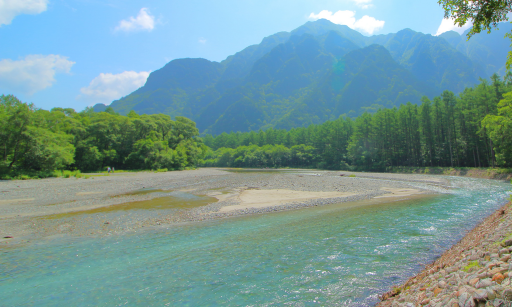
- Late April to May: Snow still covers the peaks, and the valley begins to turn green.
- June to August: The busiest season. Fresh greenery and alpine flowers. Rain is more common in June and July.
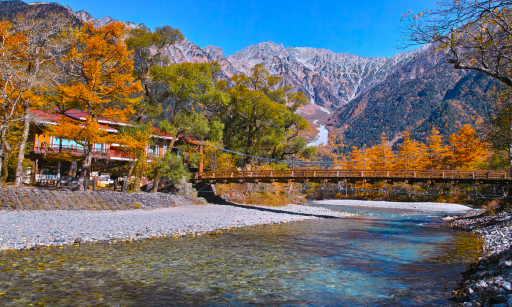
- Late September to October: Autumn colors in the valley, with the peak usually in October. Expect crowds and book transport early.
- Mid-November to mid-April: Closed to buses and taxis.
Tips for tour groups
- Base the group in Matsumoto or Takayama, not inside the valley, unless the group is small. Hotels in the cities are easier to secure, and the group stays close to a Plan B.
- Keep the Kamikochi day flexible
Place it in the middle of the stay, with a day before or after that can be swapped.
- Book return buses early on routes that require reservations, and allow extra time for queues in peak season.
- Brief guests on rain gear, footwear, and bears before the day.
- Arrange a local guide for groups that want to learn about the plants, wildlife, and history of the valley.
- Use chartered vehicles to the parking areas at Sawando or Hirayu for door-to-door transfers, then continue by shuttle bus.
Sample itineraries
Kamikochi day trip from Matsumoto
• Early morning: Train from Matsumoto to Shin-Shimashima, then bus to Kamikochi.
• Morning: Get off at Taisho Pond and walk to Kappa Bridge (about 1 hour).
• Midday: Lunch near Kappa Bridge, then walk to Myojin Pond and back (about 2 hours).
• Afternoon: Return bus to Shin-Shimashima and train to Matsumoto.
Kamikochi day trip from Takayama
• Morning: Bus from Takayama to Hirayu Onsen, then bus to Kamikochi.
• Late morning: Walk from Taisho Pond to Kappa Bridge.
• Afternoon: Walk to Myojin Pond if time allows, then return to Hirayu Onsen for a hot spring bath before heading back to Takayama.
Flexible three-day plan: Matsumoto, Kamikochi and Takayama
- Day 1. Matsumoto
Arrive in Matsumoto and visit Matsumoto Castle. Check the forecast and road updates for the next two days.
- Day 2. Kamikochi (or Plan B)
If the weather is good, travel to Kamikochi and walk the valley, then continue to an Okuhida hot spring or Takayama. If the road is closed or heavy rain is expected, visit the Daio Wasabi Farm in Azumino instead and keep Kamikochi for Day 3.
- Day 3. Takayama (or Kamikochi)
Explore the old town of Takayama. If Kamikochi was postponed, visit the valley in the morning from the Takayama side, then return to Takayama in the afternoon.
This structure keeps two possible Kamikochi days, so a single rainy day does not mean missing the valley.
Frequently asked questions
Can you do Kamikochi as a day trip?
Yes. Kamikochi is a common day trip from Matsumoto or Takayama. Plan for 3 to 5 hours in the valley to walk between Taisho Pond, Kappa Bridge, and Myojin Pond.
When is Kamikochi open?
Kamikochi is open from mid-April to mid-November. The access road closes in winter, and there is no bus or taxi service during that time. Your land operator will follow up the latest information.
Can I drive to Kamikochi?
No. Private cars have been banned since 1975. Drivers park at Sawando on the Matsumoto side or at Hirayu Akandana on the Takayama side, then continue by shuttle bus or taxi.
What happens if it rains in Kamikochi?
Heavy rain can close the access road, and no vehicles can enter the valley until it reopens. Even if you arrive, hiking may not be safe in heavy rain. In light rain, the short trails on the valley floor are still enjoyable, and the scenery remains beautiful. We recommend a flexible itinerary with a backup day.
Where can I check the latest road and bus information for Kamikochi?
The land operator should check the official Kamikochi website (kamikochi.org), which posts English updates on road closures and bus service, and the websites of the local bus operators.
Nagano Prefecture also publishes traffic regulation information for the Kamikochi area in Japanese. If you are traveling with a tour, your land operator can monitor closures on the day and adjust the plan.
What is the easiest hike in Kamikochi?
The walk from Taisho Pond to Kappa Bridge is the easiest. It is mostly flat and takes about one hour.
How long does it take to walk from Kappa Bridge to Myojin Pond?
About one hour each way, or about two hours for a round trip.
Do I need to reserve the bus to Kamikochi?
Some routes, including certain buses between Kamikochi and Matsumoto, require reservations. Usually, the land operator checks the bus operator’s website before your trip, especially in peak season.
Are there bears in Kamikochi?
Yes, Asian black bears live in the valley so usually people carry a bear bell, make noise on quieter trails, and stay on marked paths.
Planning Kamikochi for a group? Our team can arrange transport, guides and a weather-flexible itinerary, so your clients still enjoy the Japan Alps when conditions change.
Travel Services
Japan DMC & Land Operator
We handle hotels, transport, experiences and MICE across Japan for international travel agencies, B2B only, with English support.
See our travel servicesAI Travel Platform
Travel Hub
AI-powered Japan travel planning platform
Automates Japan travel planning and quotation processes to dramatically improve operational efficiency. Our AI instantly generates optimal itineraries and pricing, revolutionizing travel agency operations.
- AI Auto Planning
- Instant Quotes
- Efficiency Boost